
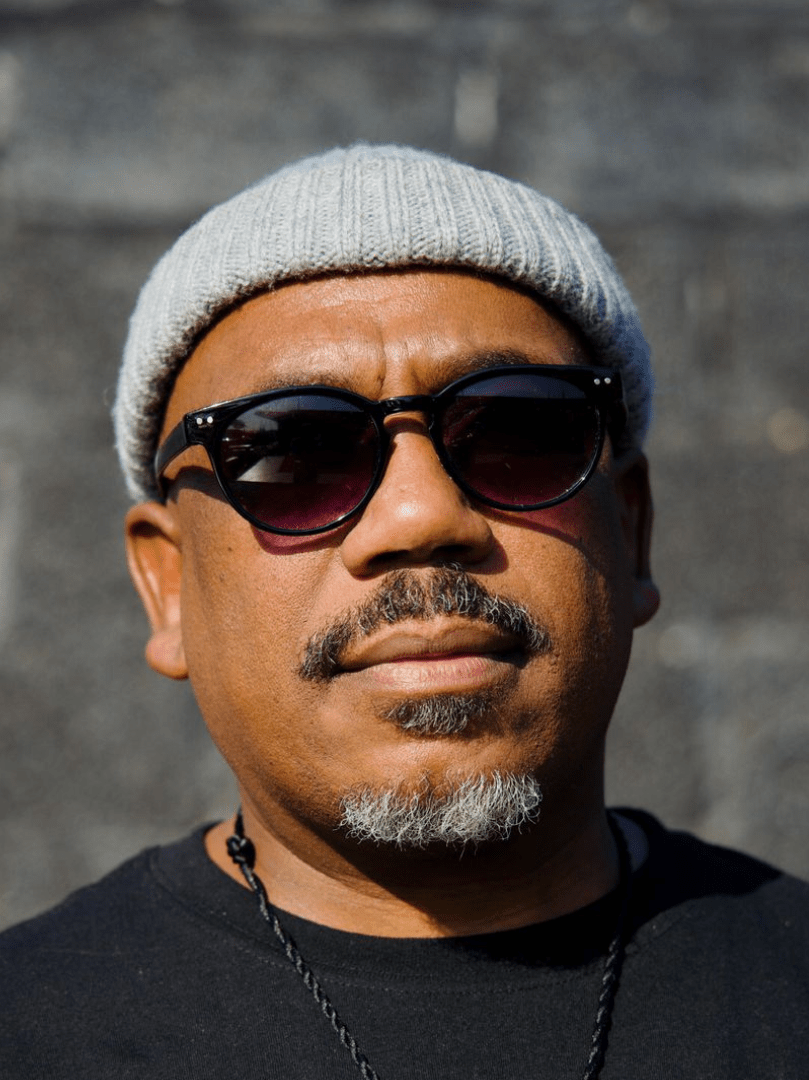
Enter the vibrant world of legendary Sbu Malawyer, where the music tells the story of a journey from Kwaito roots to the energetic beats of Amapiano. Over 25 years, Sbu’s music has evolved, reflecting the changing rhythms of South Africa’s musical landscape. In our conversation, we explore his beginnings, growth, and the inspiration behind his latest creation, “Ngempela.”
Join us as we uncover the rhythms and melodies that shape Sbu Malawyer’s captivating musical tale.
Sbu, with a career spanning over 25 years in the music industry, you’ve become a legend in the game. How do you manage to keep the longevity of your artistry alive for so long?
[SBU MALAWYER]: Keeping my longevity in the game was not easy, but being focused and positive was my first choice, and it also helped me a lot to be consistent with good conduct as a role model. The 25-year celebration album became an influence for a change and adoption of a new sound, as I featured young upcoming artists and producers.
Your single “Ngempela” is described as an Amapiano tribute to fallen heroes in the music industry. Could you take us behind the scenes and share the creative process of blending various South African sounds?
[SBU MALAWYER]: The song Ngempela is a tribute to the loss of our heroes and heroines, especially in the music industry, e.g. the likes of Lebo Mathosa, Magesh, and Mshoza to name a few. Since the song features young upcoming artists, Amapiano was the best sound to choose to keep the relevancy and the influence it has in the market. Working on Ngempela, in the studio, I shared the idea with the artists, listening to the beat that was brought by Woza Sabza (young producer), Mr Abie, myself, and WinzB X, came up with strong verses, where Mr Abie led the song on a chorus, and Mojalefa Thebe on the final production.
How different do you view the process of making music now versus 25 years ago when you started? What do you appreciate most about the process back then and what do you think is missing in the modern world now?
[SBU MALAWYER]: On the technicality part of the studio, when I compare it now and 25 years ago, it’s not the same. During our times, technology was behind compared to now. Working in the studio, you will need a producer, a sound engineer and artists. All were recorded strictly in a booth, but today, the producer can produce the song without a keyboard or a piano, use a computer without the help of an engineer, the artists would record the voices without singing in a booth. On my side, I still prefer the old way, to keep more analogue than digital, but because of time, the new version is quick to put the song together.
In “Celebrating 25 Years in the Game,” you collaborated with young artists and producers. Can you shed light on who you worked with, how you approach collaboration and what this intergenerational exchange brings to the music scene?
[SBU MALAWYER]: The 25-year celebration was a great experience and the swift trailing, and motivating and exciting, the reason it’s that we were allowing young upcoming artists and producers to feel free working with us and Mojalefa Thebe, we were more about learning from them and sharing our experience to them, so it was more about each one teach one situation and also we were ready to evolve or adapt to a new sound.
With your extensive experience, what advice would you give to aspiring musicians looking to build a long-lasting, multifaceted career in today’s dynamic creative landscape?
[SBU MALAWYER]: As a brand, I think it’s important to move with time so that you become relevant to the market, and it helps to capture both young and old.

Check out Sbu’s visuals here and hear his new sound!
Featured Image(s) Source: Supplied

![[CAMPAIGNS] Inside The March 2026 Brand Posts #OnTheeRadar](https://lamag.africa/wp-content/uploads/2026/04/queen-loany-e1775503093861.png?w=1024)


Leave a Reply