
Brand collaborations have long been a defining force in South Africa’s creative landscape, shaping cultural moments and connecting deeply with audiences. Yet, in recent years, many partnerships have struggled to create the same lasting impact. As South African music, fashion, and art continue to gain global recognition—especially with the likes of Amapiano, Afro House and Gqom leading the way—there’s a growing opportunity for brands to collaborate in a way that goes beyond sponsorships and truly integrates with culture.
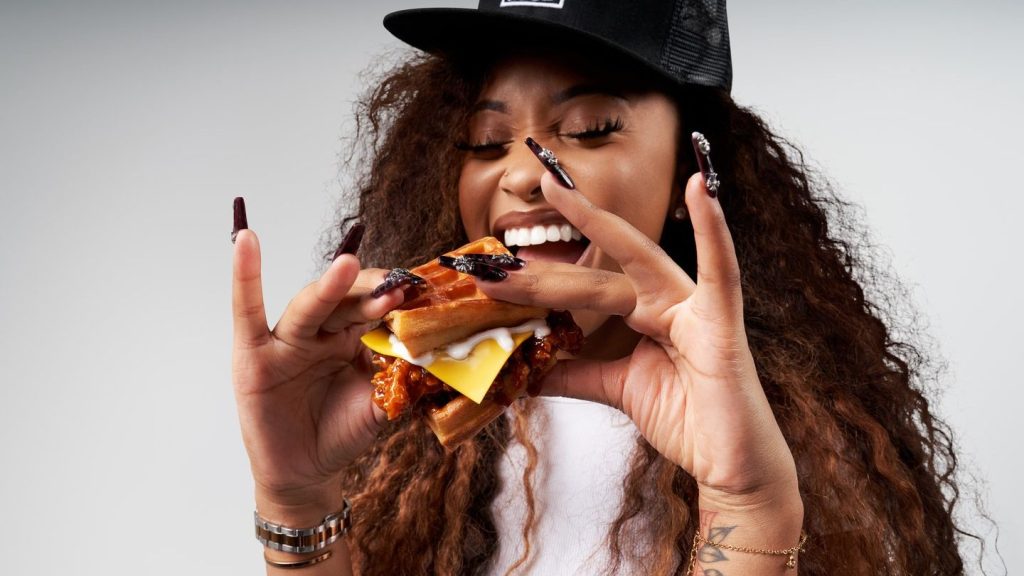
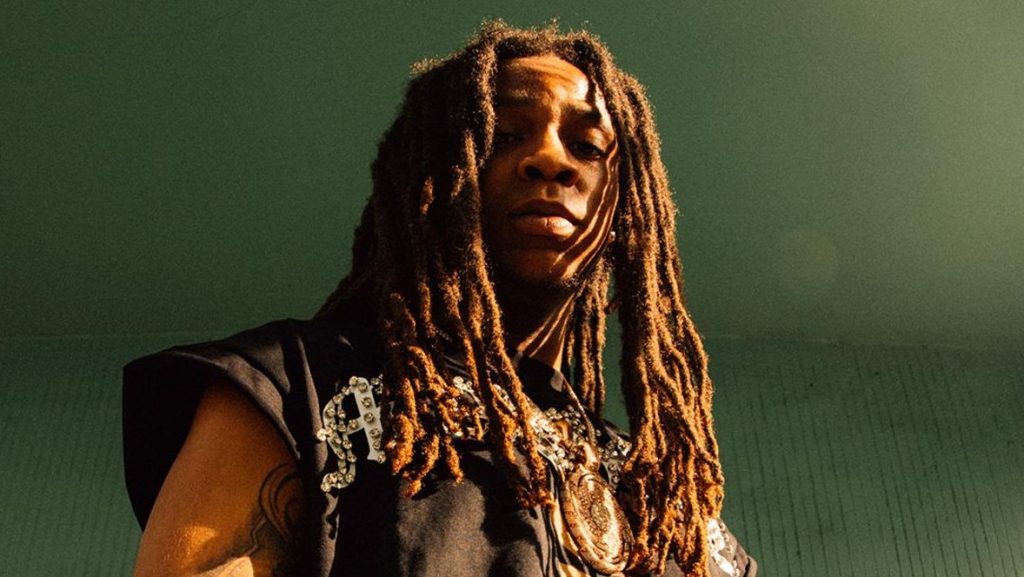
Standout campaigns, like Sprite x Blxckie and KFC x Uncle Waffles, showcase what happens when brands take an authentic, insight-driven approach. These collaborations weren’t just about visibility; they enhanced cultural narratives and created experiences that audiences wanted to engage with.
The 5-Step Playbook for Cultural Brand Collaborations
This playbook outlines the key principles for building impactful brand collaborations, using these successful case studies as reference points.
1. Root the Collaboration in Cultural Insight
Many campaigns fail because they focus on visibility over cultural relevance. South African culture is layered, and brands need to understand the deeper narratives behind music, art, and fashion.
How to do it right:
- Go beyond surface trends. Amapiano, Hip Hop, and streetwear aren’t just aesthetics—they represent lifestyles and communities.
- Engage cultural tastemakers early. Artists, DJs, designers, and curators offer valuable insights brands often miss.
- Respect the audience’s intelligence. If a campaign feels inauthentic, consumers will disengage.
Case Study: Sprite x Blxckie
Sprite’s “Somnyama Sprite” campaign was rooted in Hip Hop’s grind culture, aligning with Blxckie’s artistic journey. It wasn’t just about putting a face on a product—it reflected a movement, making the partnership feel organic and meaningful.

2. Choose the Right Artist-Brand Fit
Not every artist fits every brand. The best collaborations happen when both share values and a common audience.
How to do it right:
- Look beyond numbers. Engagement and credibility matter more than just follower count.
- Align identity, not just popularity. A great match feels organic, not forced.
- Make the artist a collaborator, not just a spokesperson.
Case Study: KFC x Uncle Waffles
KFC strategically partnered with Uncle Waffles because her energy, image, and audience aligned with the brand’s youth market. The collaboration felt natural, reinforcing KFC’s cultural relevance rather than forcing an association.
3. Co-Create, Don’t Dictate
Audiences can tell when a campaign feels one-sided. Instead of just featuring an artist, brands should bring them into the creative process.
How to do it right:
- Give artists creative input. They understand their audience better than any marketing team.
- Let the partnership feel personal. The best brand deals feel like an extension of an artist’s journey.
- Avoid copy-paste marketing. Each artist’s brand is unique—respect that.
Case Study: Sprite x Blxckie
Blxckie wasn’t just a face for Sprite—he was involved in shaping the visuals, storytelling, and rollout. This made the campaign feel like a natural part of his brand rather than just another endorsement.
4. Go Beyond the Product—Create an Experience
People don’t just want to buy something—they want to engage with it. Successful brand collaborations create cultural experiences that audiences can interact with.
How to do it right:
- Use digital innovation. AI, interactive content, and exclusive digital drops can elevate engagement.
- Create shareable moments. Campaigns should encourage participation, not just passive viewing.
- Think long-term. The best collaborations aren’t one-offs—they build momentum over time.
Case Study: KFC x Uncle Waffles
KFC’s “Hack the Streets” campaign wasn’t just about promoting a menu item. It used AI-powered interactive content,where fans could scan digital artwork to unlock exclusive experiences. This level of engagement led to a 125% increase in sales and record-breaking sell-outs.
5. Build for Longevity, Not Just a Single Campaign
A brand-artist collaboration shouldn’t be a one-time marketing stunt—it should be a long-term investment in culture.
How to do it right:
- Track cultural impact, not just sales. Engagement, sentiment, and brand perception matter.
- Adapt based on audience feedback. The best campaigns evolve over time.
- Build relationships, not just campaigns. The most memorable collaborations grow into long-term partnerships.
Case Study: Sprite x Blxckie & KFC x Uncle Waffles
Both collaborations positioned the brands within culture, ensuring they weren’t just temporary trends but part of ongoing conversations in South African entertainment.
Final Thoughts: The Future of Brand Collaborations in South Africa
South Africa’s creative industries are full of untapped potential for brand partnerships. But surface-level sponsorships are no longer enough. Brands that deeply understand culture, collaborate authentically, and create experiences will be the ones remembered. For artists, the future is shifting from endorsements to co-creation, equity, and long-term partnerships. For the industry, the challenge is to ensure that both brands and creators benefit in ways that uplift culture rather than exploit it.
So the question is:
Will your next collaboration be another forgettable sponsorship, or will it be a milestone in South African culture? It’s time to redefine what brand collaborations can be!
Featured images(s): Kgomotso Neto Tleane and IOL


Leave a Reply