
Botswana’s contemporary art scene is in a moment of dynamic reinvention where tradition meets bold reimagining, and borders dissolve into new creative possibilities. At the heart of this movement is the 2025 RMB Latitudes Art Fair, which spotlights Botswana’s artists and collectives through its International Galleries Platform.
We sat down with curator Boitumelo Makousu to explore how this focused exposé amplifies underrepresented voices, challenges art-world barriers, and fosters a legacy of collaboration and growth.

The Botswana exposé at RMB Latitudes aims to explore borders (both geographical and ideological) while amplifying the country’s contemporary art scene. What inspired this curatorial focus, and why is this moment pivotal for Botswana’s artistic ecosystem?
BOITUMELO MAKOUSU: The International Galleries Platform forms part of our RMB Special Projects and offers a sustainable opportunity for galleries and artists across the continent and the diaspora to exhibit in South Africa. Accessibility lies at the heart of the RMB Latitudes Art Fair ethos. By reimagining the traditional art fair model and actively addressing historical barriers to entry, RMB Latitudes expands the circle of engagement between artists, galleries, and their audiences.
This section of the fair is dedicated to hosting international galleries, particularly those for whom the cost of participation has become increasingly prohibitive within the global art market. The platform creates space for meaningful visibility and exchange—beyond the limitations of commercial pressure.
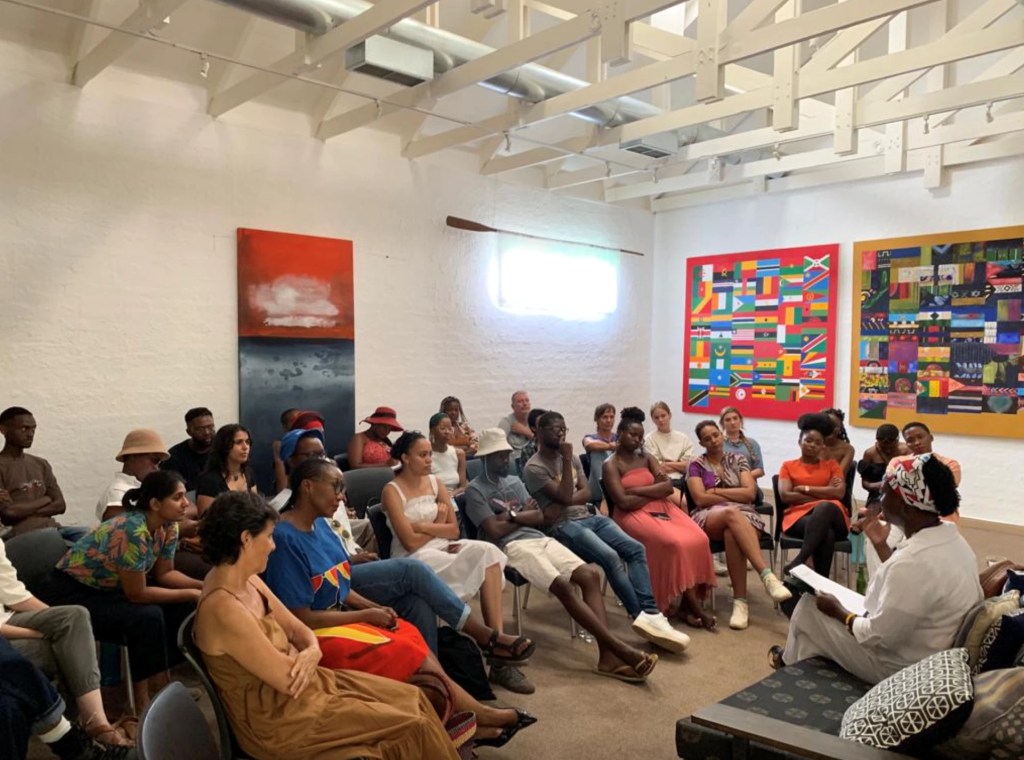
This year, we’ve chosen to focus intentionally on a single locale: Botswana. This allows us to engage more deeply with a nation’s artistic ecosystem and cultural practices. The curatorial theme was born from a desire to unpack how borders—be they geographical, ideological, or conceptual—shape artistic production, mobility, and identity. Botswana is often framed through the lens of natural heritage or geopolitics, but a new generation of artists and collectives are challenging this narrative. They’re positioning Botswana not as a peripheral space, but as a vibrant and generative centre for contemporary artistic discourse. This focus enables us to elevate those internal dialogues and present them on a broader platform—affirming that Botswana’s art scene is not merely emerging, but evolving with purpose and agency.
In addition, the platform serves as a space to critically explore the notion of national borders and the pedagogies that arise from them, particularly through personal histories and artistic narratives rooted in Botswana, South Africa, and the wider region.

Participating artists, curators, cultural practitioners, and collectives will present as a holistic project—interweaving their independent practices with a shared story. Through this collaborative structure, the International Galleries Platform: Botswana Focus aims to present a presentation that captures the depth, complexity, and nuance of Botswana’s contemporary arts landscape.
With barriers like cost and visibility limiting African artists’ participation in global fairs, how does the International Galleries Platform specifically address these challenges for Botswana’s creatives? Are there lessons from past editions that shaped this year’s approach?
BOITUMELO MAKOUSU: The International Galleries Platform is designed to democratise access—logistically, financially, and conceptually. For Botswana’s artists and creative practitioners, it offers a crucial bridge between hyperlocal practices and international audiences.
By alleviating financial barriers and intentionally centering independent voices and spaces, the platform disrupts traditional gatekeeping structures within the art world. Through previous editions at RMB Latitudes, we’ve learned that showcasing individual talent is not enough; fostering lasting impact requires the development of frameworks that nurture entire artistic ecosystems.
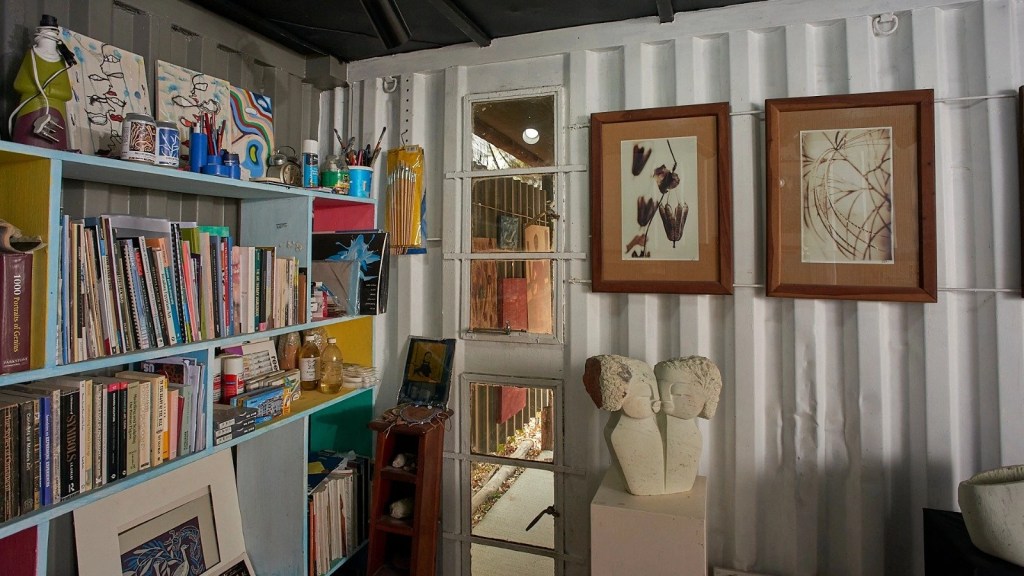
This year’s edition embraces a more collaborative, archive-conscious approach, with a focused exploration of a single locale to deepen engagement and context.
The participating collectives (from TBP’s archival work to Banana Club’s community dialogues) operate as ‘a holistic project.’ How does collaboration strengthen Botswana’s artistic voice, and what tensions or synergies arise when independent practices converge?
BOITUMELO MAKOUSU: Collaboration is one of our greatest strengths at Latitudes Online—it enables us to amplify and build upon each other’s work in ways that individual efforts alone often cannot. Collectives like TBP and Banana Club are building memory, care, and resistance into their practices, enriching Botswana’s art scene with greater depth, self-awareness, and social consciousness.
Naturally, tensions emerge—especially when differing visions, politics, or aesthetics intersect—but these frictions are generative. They compel us to reflect on our roles not just as artists or curators, but as citizens, storytellers, and co-creators. In these moments of convergence, we find both critical dialogue and a sense of shared purpose—and it’s within that dynamic space that meaningful cultural growth takes root.
You’ve described Botswana’s art industry as undergoing ‘repurposing’ rather than rupture. Can you share an example of how artists are redefining traditional motifs (like landscape/wildlife) to assert a contemporary identity?
BOITUMELO MAKOUSU: Absolutely!! One clear example is how some artists are reclaiming the ‘landscape’ not as a tourist spectacle but as a site of memory, trauma, and transformation. Instead of idealized savannahs or wildlife portraits, we’re seeing works that interrogate land ownership, displacement, and ecological precarity—while still rooted in Botswana’s visual language.
Artists are layering ancestral knowledge, urban textures, and archival interventions into their work, turning inherited motifs into vessels for new narratives which I find pretty cool and shape shifting honestly.. It’s not a rejection of tradition, but rather a redirection—a way of saying, “We are still here, but differently.”
Beyond visibility, what structures or conversations does this project hope to ignite locally to ensure Botswana’s art scene thrives long-term? How can audiences, collectors, and institutions sustain this momentum?
BOITUMELO MAKOUSU: Accessibility and visibility is our entry point. What we really hope to ignite are sustainable frameworks—local patronage networks, archival infrastructure, embracing independent art spaces and voices and interdisciplinary collaboration.
These without a doubt are the pillars that will ensure long-term impact. For audiences, engagement must go beyond attendance—ask questions, support artists, join the dialogue and buy art. For collectors, invest not just in artworks but in the ecosystems that produce them. And for institutions, the call is to decentralize, to co-create rather than dictate. Sustaining momentum means making the arts indispensable to Botswana’s broader cultural, economic, and educational agenda.
As Botswana’s artists rewrite narratives and reclaim spaces, the RMB Latitudes Art Fair serves as both a mirror and a catalyst, reflecting the depth of the country’s creative pulse while propelling it forward. Boitumelo’s vision underscores a truth often overlooked: art ecosystems thrive not in isolation, but through intentional collaboration, investment, and institutional trust. For audiences and stakeholders, the call is clear—engage deeply, collect thoughtfully, and champion the structures that sustain artistic evolution!
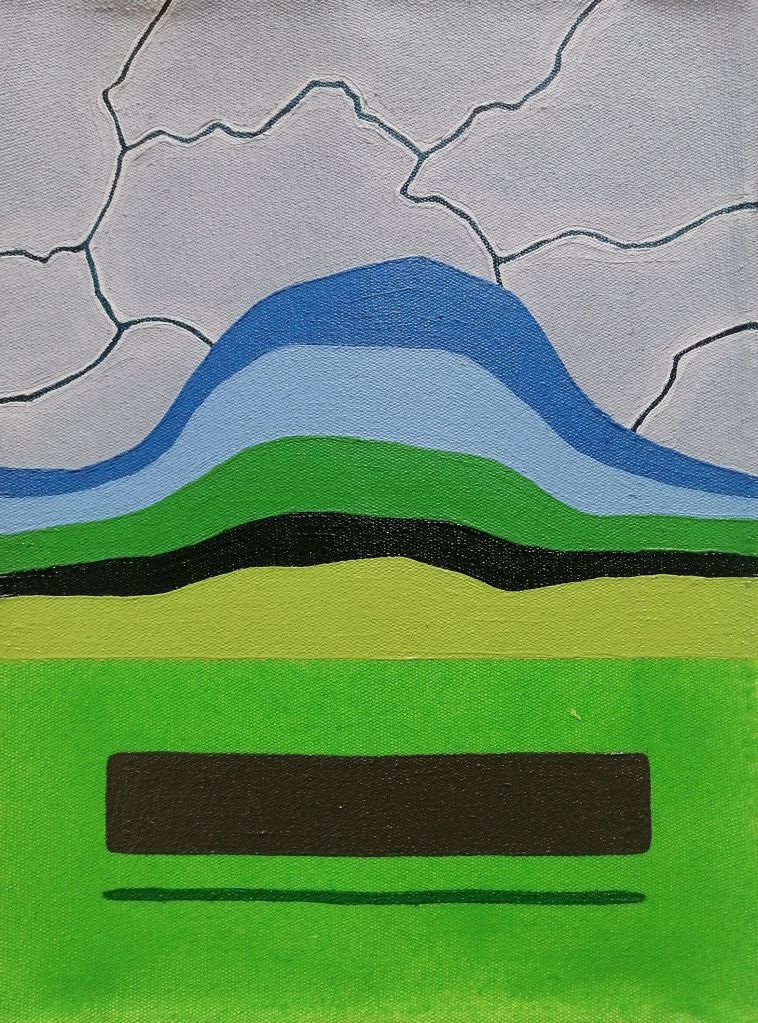
Featured image(s): Thebe Phetogo, Lowe Day Painting (Grey Sky II)

Leave a Reply