
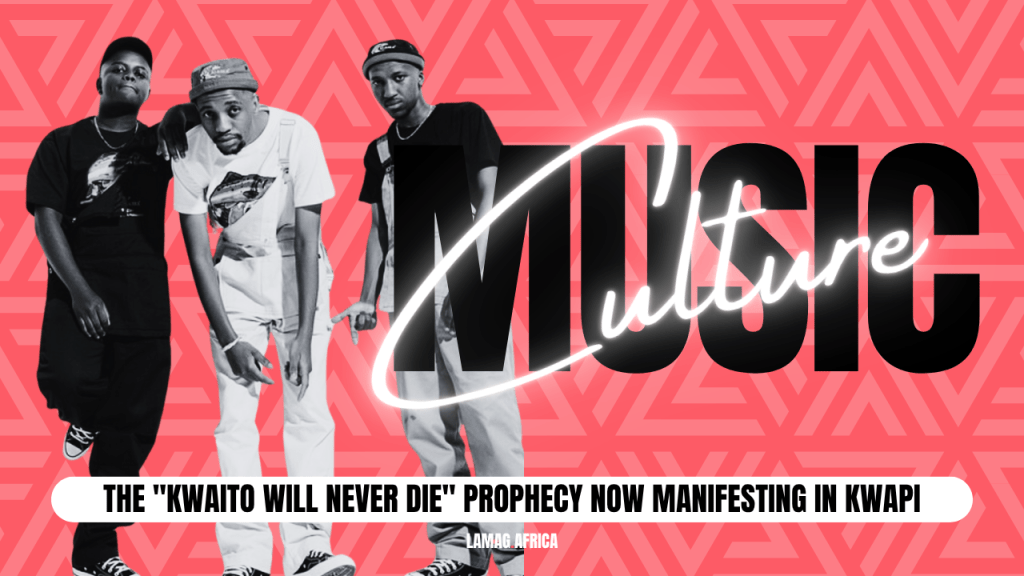
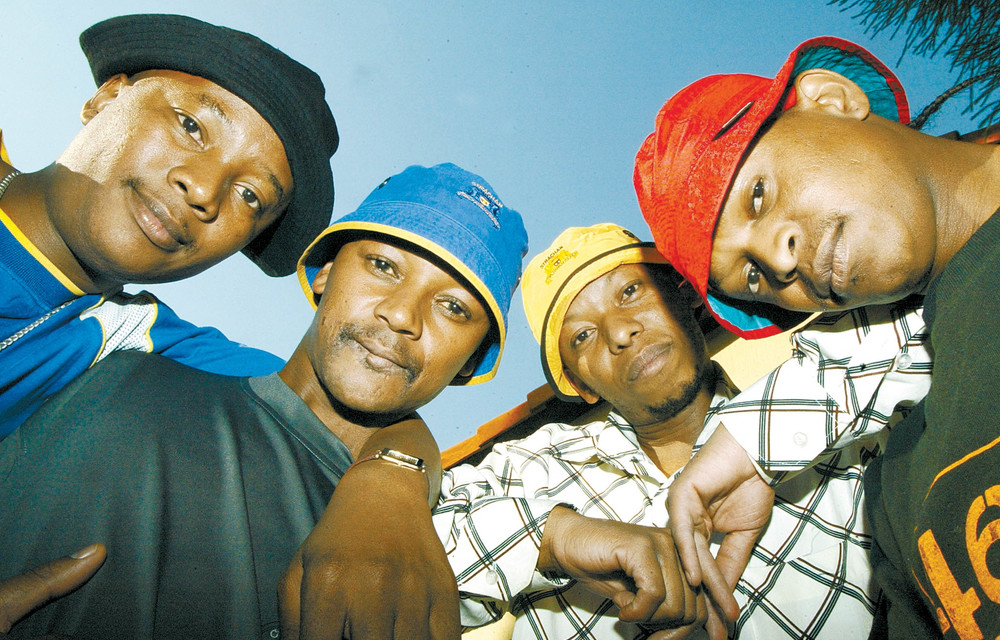
In the ever-evolving landscape of South African music, a powerful prophecy is coming to life again: “Kwaito will never die.” Once voiced by legends like Brown Dash, Mapaputsi, Thebe, and Arthur Mafokate, and later amplified by Riky Rick, this statement has moved beyond nostalgia. Today, it lives on through Kwapi, a rising subgenre that blends the DNA of Kwaito with the bounce of Amapiano. This isn’t a return. It’s a rebirth.
What Is Kwapi?
Kwapi is the sound of generations in conversation. It merges Kwaito’s storytelling spirit with Amapiano’s signature rhythm, creating something both familiar and new. Kwaito, born in the 1990s, is known for its slowed-down house beats, funk-inspired basslines, and vocals delivered in vibrant township slang. It captures township life with attitude, pride, and rhythm. Amapiano, which emerged in the 2010s, carries laid-back tempos, hypnotic piano loops, catchy basslines, and the unmistakable log drum. It’s the voice of today’s South African youth. Kwapi is where these worlds collide—not just a tribute or a throwback, but an evolution.
Sampling As Manifestation
Before it had a name, Kwapi’s essence was already alive in Amapiano. You could hear it in how artists borrowed from Kwaito’s tone, lyrics, and vocal style. Early Scorpion Kings projects tapped into this. Amaroto (Reece Madlisa & Zuma) carried the genre’s bravado into tracks like “Iy’ntsimbi Zase Envy”, which still lives rent-free in many listeners’ minds. Focalistic, rooted in Pitori’s street language, reimagined Spikiri’s iconic “Gangster Party” verse in his anthem “Biri Marung”. These were more than just samples—they were seeds being planted.
The Prophecy Crystallises
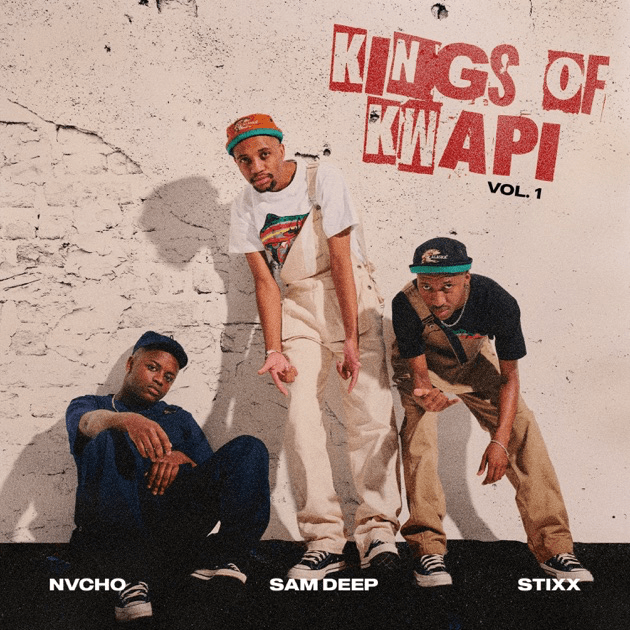
On 12 June 2025, a moment of clarity arrived: Stixx, Nvcho, and Sam Deep released Kings Of Kwapi Vol. 1. Opting for a Thursday drop, ahead of the usual Friday wave, the trio carved out their own lane just like the subgenre itself. The album opens with a sample from an old Brown Dash interview, where he declares: “Kwaito will never die.” That line, resurrected in a new context, marks more than nostalgia it marks the official naming and claiming of Kwapi as a genre in its own right.
Why This Matters
Kwapi doesn’t just honour the past—it reinterprets it. It shows that Kwaito isn’t a relic. It’s a living force in South African music. What we’re witnessing isn’t just homage—it’s a manifestation. Today’s artists aren’t copying. They’re channeling. They remind us that cultural memory evolves, and township expression can take new forms while staying rooted in its truth.
“Kwaito will never die” isn’t just a statement. It’s a truth that continues to show up in the present and continue in the sounds still to come.



Leave a Reply