

Laud presents his album Melokuhle, a work that delves into themes of fatherhood. Inspired by a friend’s connection with his daughter, this album marks Laud’s continued evolution through genres, from deep house to Amapiano.
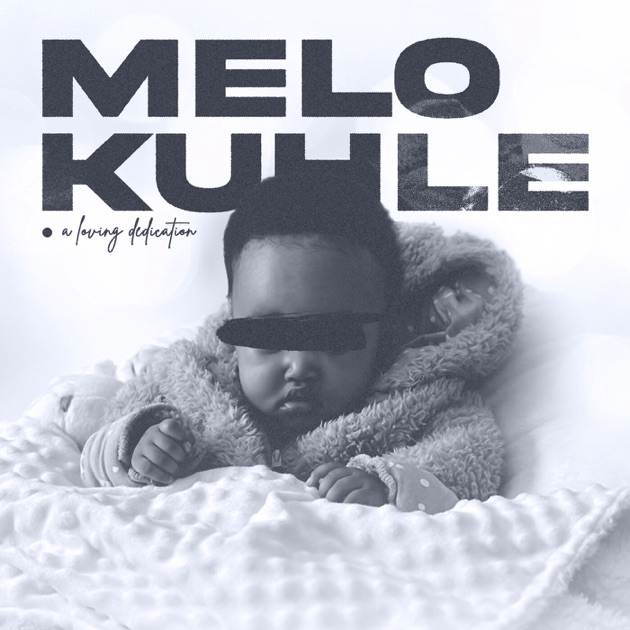
Coco Brown speaks to Laud about his creative process, specific tracks like Ingane Yami, and the stories he aims to convey through the album.

Melokuhle is a deeply personal project. What was the main inspiration or goal behind creating this album, and what specific moment made you decide this story about fatherhood, especially for Black fathers in South Africa, needed to become a full musical body of work?
LAUD: It is indeed a personal project. As the project was still in the making my friend had given heads up that it’s a girl just after melokuhle was born and he was so happy. This other day we were hanging at his house I told him what the name of the album will be, only because she was the first baby/niece in our squad and giving this one to her as her welcome and to Ken of appreciation from her uncles, But when I heard that my friend wasn’t having access to his kid and he’s always wanted to be there and do the right thing for his kid I took it upon myself to try and speak on behalf of fathers who don’t have access to their children but can’t voice it out. His story inspired the whole album and I wanted to voice it out on behalf of every father that wants to do right by their children.
Ingane Yami is a powerful track. How did that song come together, from its initial idea to its final form? What was the emotional process of writing and recording it?
LAUD: After I had created the beat with Neo Soul I had an idea of giving the beat to Njelic for a feature in the album, days went by as I was choosing a beat that was gonna hold the lead single for the album, I remembered that Casey Ntuli has a strong hand in writing beautiful songs. I called her and explained the whole concept and she was hands on. The following week she was done writing went all the way from Mpumalanga to Vaal and we did the song, soon as she started recording I was blown away. That is how Ingane Yami was born.
You named the album after your friend’s daughter, Melokuhle, which is a rare and touching gesture in music. How did he react when he first heard the full album, knowing it carried his daughter’s name and explored themes of fatherhood?
LAUD: My friends reaction to my music is always great right! But when he first heard the whole album he was blown away and it was my first time seeing him that excited for it to release, he asked me everyday about when the album is coming out. He was very happy.
You’ve moved through deep house and hip hop to fully embrace Amapiano with this album. What is it about Amapiano – its sound, its cultural feel, or something else – that made you feel you had finally found your definitive sound and the perfect way to tell the stories on Melokuhle?
LAUD: Well the sound and the cultural feel. With the genre I feel that there are no limitations when you start creating, any idea that you have goes or fits perfectly well with whatever you’re trying to create. I love how soulful it can get, how raw and street it can get and how spiritual it can be. The culture is something else that explains itself at most, small gatherings that turned into big establishments for the music to get more reach and not turning our backs on playing exclusive music every chance we get for people hear what’s next. And we must not forget that the people are the ones that decide on what a hit is.
Considering your journey in the music scene, how has fatherhood (your own experience or witnessing it) shaped the kind of artist you are and the messages you choose to share in your career?
LAUD: Well I’ve never really had a full experience of having a father but as a young as I was I always try to remember his phenomenal teachings and live by them. He always told me not to be afraid to follow my dreams, speak my mind, always remember to thank the higher power whether it’s hard or Great, should never find myself working for anyone and always give my mother the best respect and protection at all times. That has routed me into being someone that wants to give my artistry more so that any idea I have never goes to vain.
When people hear Melokuhle, especially young Black fathers in South Africa, what key message or feeling do you most hope they take away from it?
LAUD: Normally I go or tell stories according to how I feel, I search for inspiration in weird places and this is something I wish my listeners could understand about me as an artist. I definitely have more stories to tell that are much different from everyone else’s. There’s way more to come.
Your storytelling is very emotional and cinematic. Are there other stories you’re eager to tell next – perhaps something even more personal, or a completely different theme?
LAUD: I always try and spark an emotion when I make a song that has a story in it, so when they hear the song I want them to understand or make them want more to do with loving their children, be there and not only with money but physically and always try to make sure that they know their kids, as I already did half the job by speaking out for them 🤣
Looking ahead, what’s next for Laud visually, musically, or personally? Are there any big plans or aspirations you’re manifesting for the future?
LAUD: Currently I am still focusing on the album and making sure it reaches the right ears. Try to make it big as much as possible. More music definitely as I am working on a new sound Called Mzava series will be dropping the EP soon, more visuals because that is what I have been lacking in my career so that is one thing I am fixing aswell, more innovations when it comes to creating, also try and search for new and fresh talent and try to put them on.


Leave a Reply