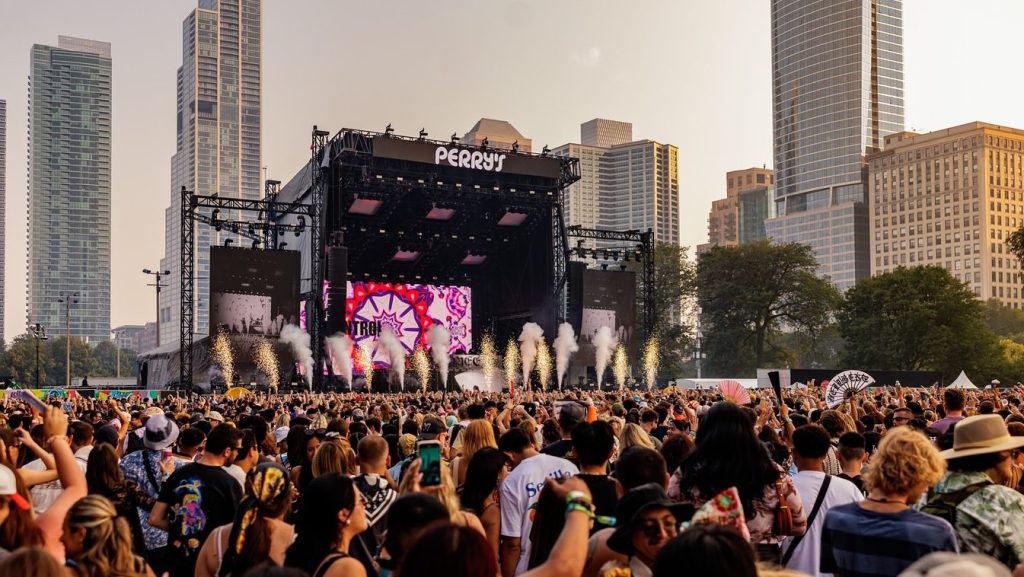
This Saturday, 21 June, is World Music Day, a day that was first celebrated in France in 1982 as ‘Fête de la Musique’. On this day people are encouraged to play music in their neighbourhoods and in public spaces and parks. Ultimately, it’s a day that’s open to interpret (or perform) any way you wish, as long as music in its myriad forms and expression is the centre of the celebration.
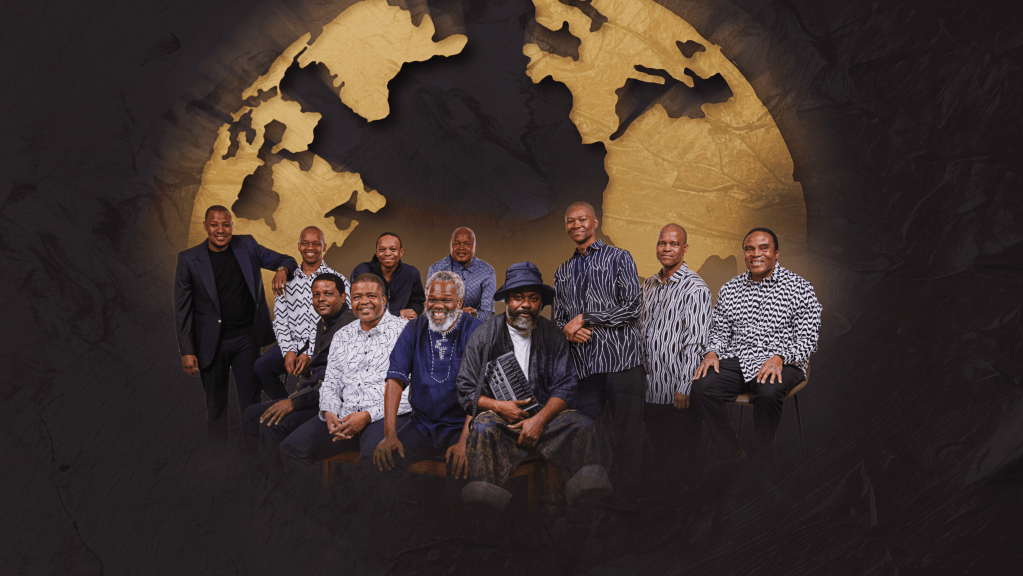
In South Africa, music isn’t just a pastime; it’s the heartbeat of our nation, a powerful force that unites and defines us. From the iconic sounds of Brenda Fassie and Miriam Makeba to the trailblazing careers of Yvonne Chaka Chaka, Black Coffee, and more recently, Grammy-winner Tyla, South African artists have shaped not only the local soundscape but also resonated globally. This rich musical heritage continues to thrive, with the export growth for South African artists reaching a staggering 104% over the last three years. Locally, the consumption of South African content has surged by an astounding 281% in three years, with 96% year-over-year growth, according to Spotify’s latest Loud & Clear Report. This demonstrates a powerful and growing embrace of SA’s unique sounds, both at home and across the world.

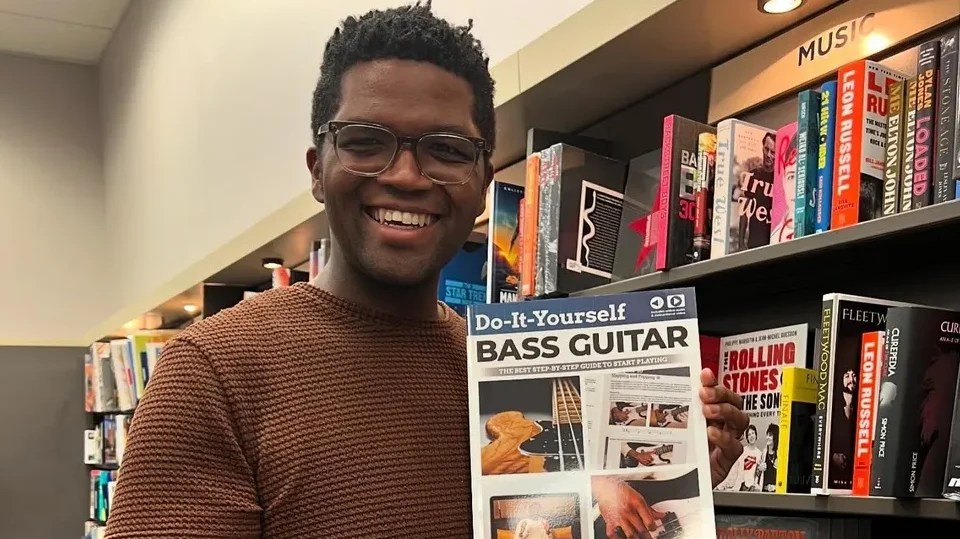
For countless musicians, like Travis Dykes, music is about more than a profession or a passion, it’s a way of life. Based in Nashville in the US, Dykes has been a full-time studio musician and toured with major artists such as Carrie Underwood and CeCe Wynn over his 13-year career. Now in his 30s, music has been the constant in his life, guiding him through the highs and lows. Dykes approaches his craft like an artisan, building his instruments from scratch to make each piece personal. As a longtime guitar and bass teacher, he saw firsthand how the high cost of quality instruments can discourage many aspiring musicians — a realisation that shaped his mission to make music more accessible.

Dykes took on an ambitious challenge with a fellow guitarist to build a bass guitar from affordable components that enthusiasts could easily find, replicate, and assemble in a single day. He turned to Temu, an online marketplace that provides a variety of affordable, high-quality products. To his surprise, he found all the parts he needed for around R2500, a fraction of what custom instruments typically cost.

As World Music Day approaches, Dykes’s project highlights a growing trend of DIY and passion projects. Dykes documented the guitar build in a YouTube tutorial, “We Built a Bass Guitar with Temu Parts,“ which has since garnered more than 120,000 views. Dykes plans to use the custom-built Temu bass at upcoming performances, including a European tour with gospel musician Charity Gayle.
Affordable innovation
For Dykes, the project wasn’t just about sourcing parts from a marketplace. It was about pushing the limits of musical creativity and customising an instrument to reflect his personal style and sound. He located every essential component on Temu—including the body, neck, bridge, pickups, hardware, tuners, strap buttons, and strings. Even basic elements like strings, which can cost in excess of R700 per set at traditional music stores, were available for less than R200. “I was able to customise the pieces beyond their original state to do exactly what I wanted,” he said.

Dykes found the materials held up well, even after he applied a burn finishing technique usually reserved for higher-end woods. “The quality, especially for the price, was surprising,” he said. He now plans to take it on the road for professional live shows.

Breaking barriers
Dykes’s successful bass build led him to use Temu for more — sourcing studio equipment, modifying pre-built instruments, and constructing new ones. His experience reflects a growing interest in accessible creativity and value-driven shopping — something increasingly seen in South Africa. According to a recent News24 survey, one in three South Africans have already used Temu, and 46% of respondents say the platform helps them save more than half of their usual shopping budget.
For a musician who performs worldwide, quality remains a priority. Finding it affordably, though, makes all the difference. “Limitation is the biggest barrier to creativity,” Dykes said. “With Temu’s affordable components, those limitations are fewer than ever before.”



Leave a Reply