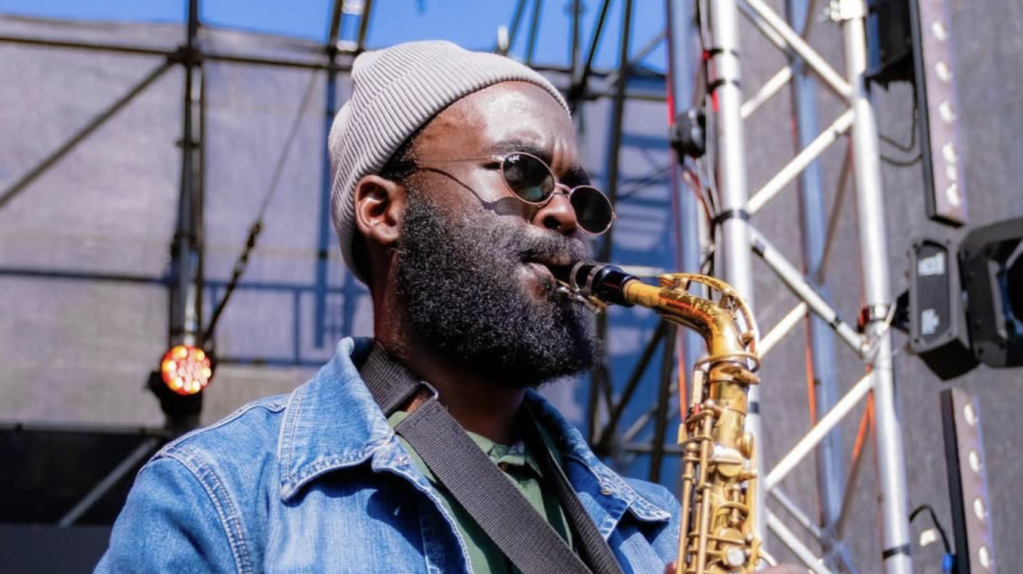
The first Imbawula Festival took place on Saturday, 2 August 2025, at the Pretoria National Botanical Gardens. From the start, it felt like the beginning of something that could grow into one of South Africa’s most important cultural festivals. An imbawula is a coal stove that families use for warmth and storytelling. The name itself carries meaning: gathering, sharing, and keeping memory alive. The festival lived up to that meaning. It was about more than just music. It was about people coming together to connect, reflect, and celebrate culture.
The trip to Pretoria set the tone. Shuttles from Montecasino made the journey easy, turning what could have been a tiring drive into part of the fun. On the bus, strangers laughed, swapped stories, and shared their excitement. It felt less like transport and more like a moving warm-up act for the day ahead.
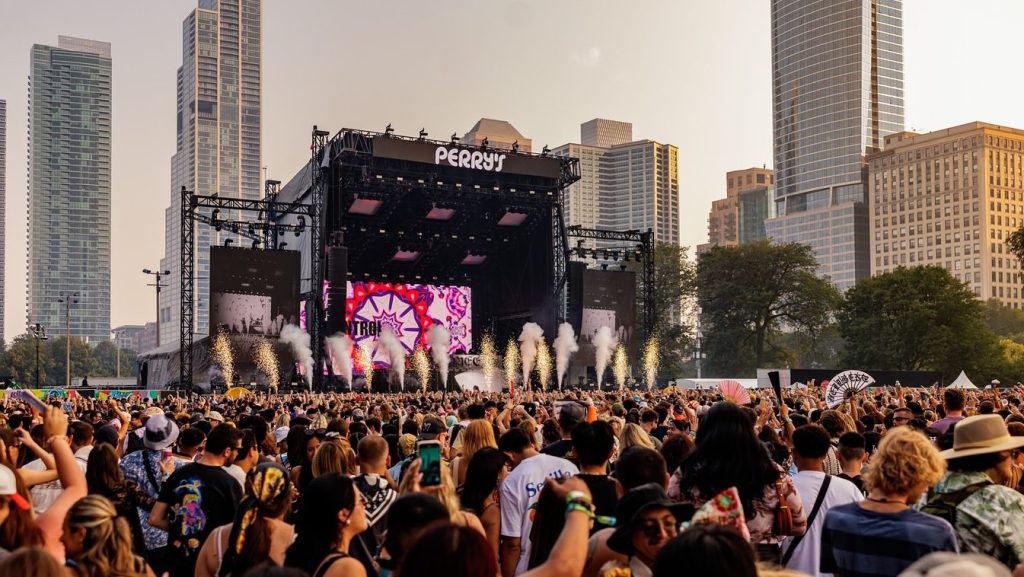
Arriving at the Gardens was like stepping into a hidden retreat. Tall trees framed the open lawns, and people spread out blankets, wandered between food stalls, and settled into the rhythm of the day. The weather shifted from warm to cool as the sun dropped, but the energy never dipped. By evening, fire effects and lights transformed the stage into a spectacle that carried the heat of the night. It was one of the top three stage designs I have seen this year, perfectly matching the festival’s ambition.
I’m not going to lie, I had my doubts about the lineup. When I first looked at the poster, the acts felt like they had been pulled from completely different worlds: electronic beats, soulful ballads, and kwaito legends. It didn’t seem like something that would flow on one stage.
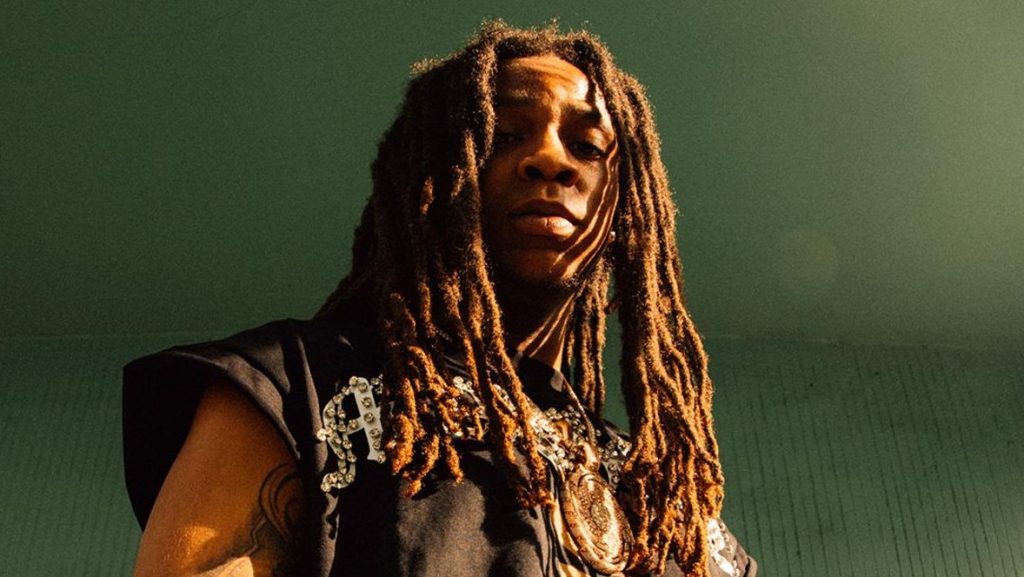
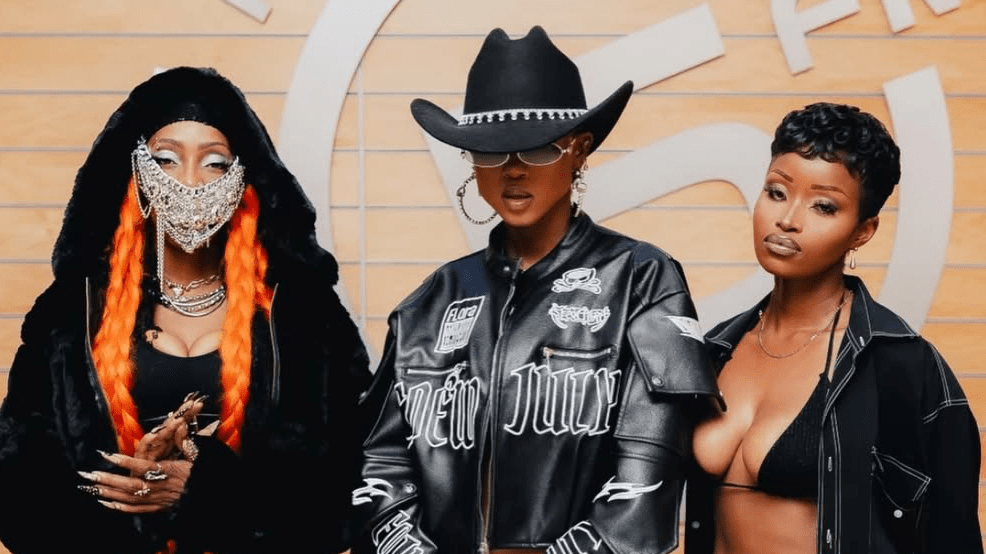
But the longer I was at the festival, the more it started to make sense. What felt random on paper turned into a carefully balanced mix in real life. Sun-El Musician set the pulse with his beats, his visuals pulsing in time with every drop. Amanda Black carried the emotion with her voice, moving from fragile to fierce as the lights shifted from soft spotlights to bold sweeps. Trompies brought joy and nostalgia, their kwaito hits sparking a mass sing-along under bursts of colour and flame. And Kaymolic closed with pure Pretoria energy, her Bacardi set pushing the crowd to the edge, fire blazing as people danced until they were out of breath.
By the end of the night, I realised my doubts had been the best part. The surprise of watching such different sounds come together is what made the lineup unforgettable.
But Imbawula was about more than music. The organisers made gender-based violence (GBV) a central theme, not a side note. Too often, brands only speak out during the “16 Days of Activism” or when headlines demand it. Imbawula chose to make this stance part of its identity, reminding us why solidarity matters.
The reality in South Africa is stark:
- 36% of women have faced physical or sexual violence, and 24% have been abused by a partner.
- Between April and June 2024, police recorded 966 women murdered, 1,644 attempted murders, and 9,309 rapes.
- In the year ending March 2024, more than 5,578 women and 1,656 children were killed.
These numbers are a reminder of why taking a stand matters. By putting GBV at its core, Imbawula showed it was not just about entertainment but also about culture with purpose and community with conscience.
Like any debut, it had its hiccups. But these became part of the story. People laughed about them later, and the music and shared energy far outweighed the glitches. The organisers are already looking ahead. Imbawula will not stay in Pretoria. In 2026, it plans to move into new cities, spreading its mix of music, culture, and social purpose even further.
The first Imbawula Festival lit a fire: rhythm, reflection, and resolve. If this debut is any indication, the flame will only burn brighter in the years to come.



Leave a Reply