

The rumble of a bus engine may seem an unlikely birthplace for celebrated South African music, yet for singer-songwriter Joliza (Thandikhaya Magayiyana), it was his creative studio. From driving a bus by day, he is now the triumphant winner of the 2024 SABC 1 talent show, Ushuni Womhlaba, and the newest signee to the century-old Gallo Record Company. Joliza’s music, which he calls “Bhacasoul,” is a powerful cultural mission, blending traditional isiBhaca elements with afro-soul, jazz, and maskandi.

Reflecting on his shift, he says, “When the Gallo contract came, it felt like the bus finally got a new route, one that reaches more ears, not just more stops.” Joliza’s rise proves that “authenticity cuts through the noise.” His sound is a modern conversation with the past, ensuring the heritage of the amaBhaca community resonates with a new generation. This dedication shines through on his new album, Ushuni We Bhaca, which features collaborations with legends like Nathi Mankayi and Dumza Maswana.
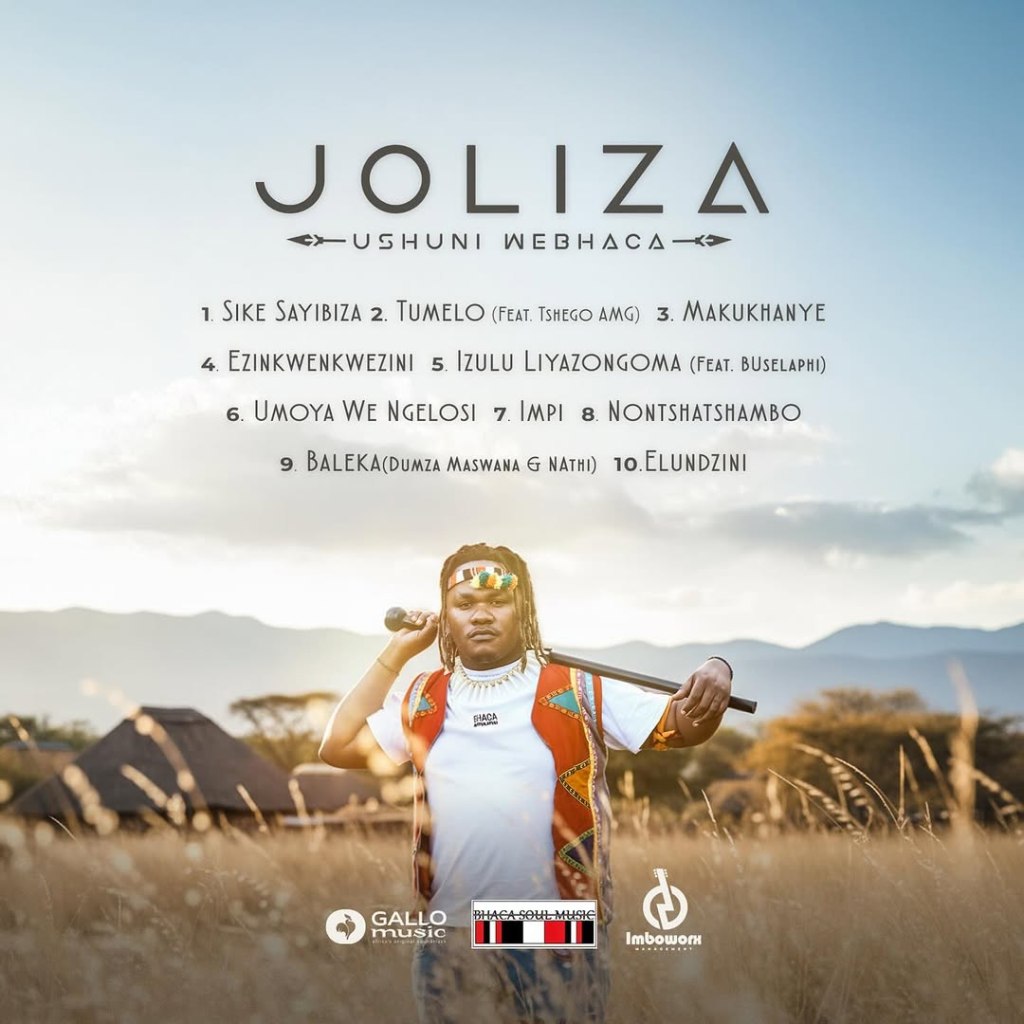
Dive into our exclusive Q&A to hear more about Joliza’s remarkable journey, his dream-come-true partnership with Gallo, and the definition of Bhacasoul.

You’ve gone from being a bus driver to a recording artist signed under Gallo. How has that journey shaped the way you see yourself and your music today?
JOLIZA: Driving that bus was my university. Every passenger dropped a story, every sunrise taught me patience, and the road taught me timing—just like a good groove. When the Gallo contract came, it felt like the bus finally got a new route—one that reaches more ears, not just more stops. It’s kept me grounded; I still see music as a service, not a spotlight. It’s also made my sound richer because I blend the raw energy of the streets with studio polish.
Winning Ushuni Womhlaba was a big moment for you. What did that experience teach you about the music industry and your own sound?
JOLIZA: Ushuni Womhlaba proved that authenticity cuts through the noise. The industry showed me that talent gets noticed, but consistency keeps you relevant. It also sharpened my ear—realising my sound isn’t just Bhaca sound , it’s a modern conversation with the past, and that conversation needs to stay fresh.
Your music celebrates isiBhaca culture in a modern way. What does preserving and sharing that heritage through your sound mean to you personally?
JOLIZA: It’s my duty. Bhaca culture is vibrant, rhythmic, and full of pride—if I don’t carry it forward, a piece of my roots fades. By weaving traditional chants, drums, and language into contemporary beats, I keep the culture alive for the youth and introduce it to the world.
Your new album Ushuni WeBhaca features collaborations with artists like Nathi Mankayi and Dumza Maswana. How did these collaborations come about, and what do they add to the project?
JOLIZA: I met Nathi through The Soil we were Guest Artists on thier Album launch and we clicked instantly; his soulful voice matched the album’s vibe. It’s been years wanting to do a song with Dumza because I really love his music and style. Their styles—Nathi’s deep African folk and Dumza’s urban edge—bring layers and broaden the album’s reach, showing Bhaca can sit comfortably beside any genre
You’ve described your sound as “Bhacasoul.” How would you explain Bhacasoul to someone hearing it for the first time and what makes it different from other South African styles?
JOLIZA: Think of Bhacasoul as a soulful conversation between a traditional Bhaca chant and modern sounds. It’s the click‑clack of Bhaca percussion with smooth, melodic vocals, layered on contemporary grooves. Bhacasoul is more on Bhaca sound as Ukucwiya, Ukuvalela, UJojo, Ukusina and akuqhwaba. Bhacasoul leans into melodic storytelling and cultural lyricism, giving it a warm, earthy texture that’s instantly recognizable.
Check out Joliza’s “Makukhanye” visualizer video

Source(s):Supplied



Leave a Reply