
Featured Image(s): Mpho Sebina on IG


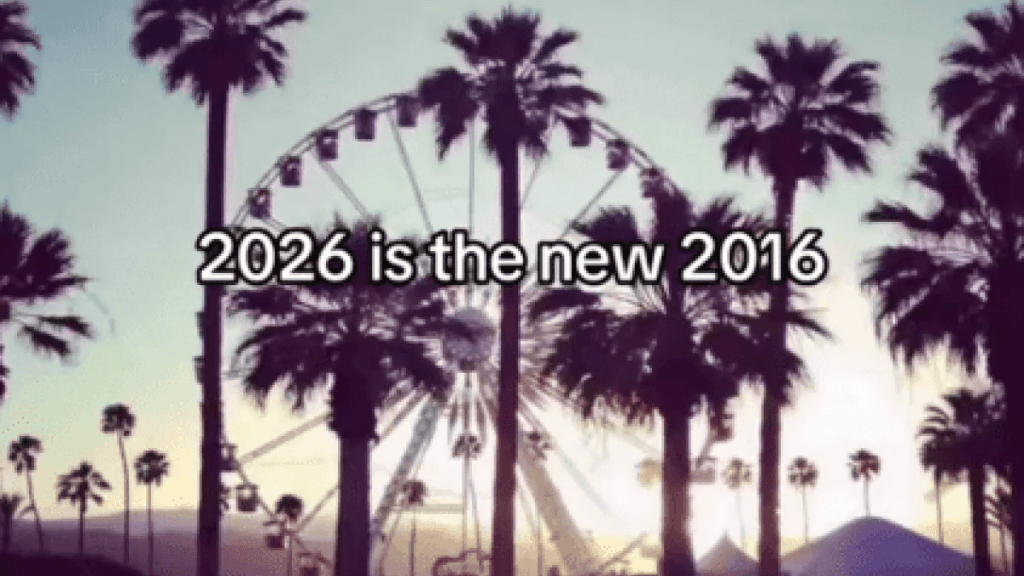
“2026 is the new 2016” has emerged as a recurring phrase across social platforms, used to frame throwback visuals, fashion callbacks, and music memories from that time. More than simple nostalgia, the trend reflects a collective reframing of 2016 as an iconic time, a time remembered for creative freedom and lighter digital culture. The resurgence signals how people are using the past to critique the pressures of the present, rather than escape it.
Key Highlights
- Trend phrase: “2026 is the new 2016”
- Primary platforms: Instagram, TikTok, X
- Cultural reference period: 2016
- Key drivers: Platform fatigue, burnout, economic pressure
- Core themes: Nostalgia, emotional relief, creative freedom

Why “2026 Is the New 2016” Is Gaining Traction
“2026 is the new 2016” is a nostalgia-led cultural trend that has gained momentum online, with users revisiting images, music, and aesthetics associated with 2016. The phrase is commonly paired with low-resolution photos, Tumblr-era fashion, early Afrobeats crossover moments, and SoundCloud-era music, framing 2016 as a shorthand for a more carefree cultural moment.
Rather than revisiting historical events, the trend focuses on how that period felt. Users recall a time when social media was less commercialised, self-expression felt less optimised, and creativity existed outside algorithmic pressure. In contrast to today’s performance-driven platforms, 2016 is remembered as informal, human, and unpolished.
The trend does not aim to recreate the past accurately. Instead, it selectively highlights emotional markers (freedom, fun, and softness) that feel absent in the current digital environment.
Who’s Fueling This Trend
The “2026 is the new 2016” trend is not being driven by official campaigns, but by organic participation from artists, brands, and creators revisiting their own cultural archives. Much of its momentum comes from resurfaced content rather than newly produced material.
I jumped on the trend and highlighted my career and side hustle!

Leave a Reply