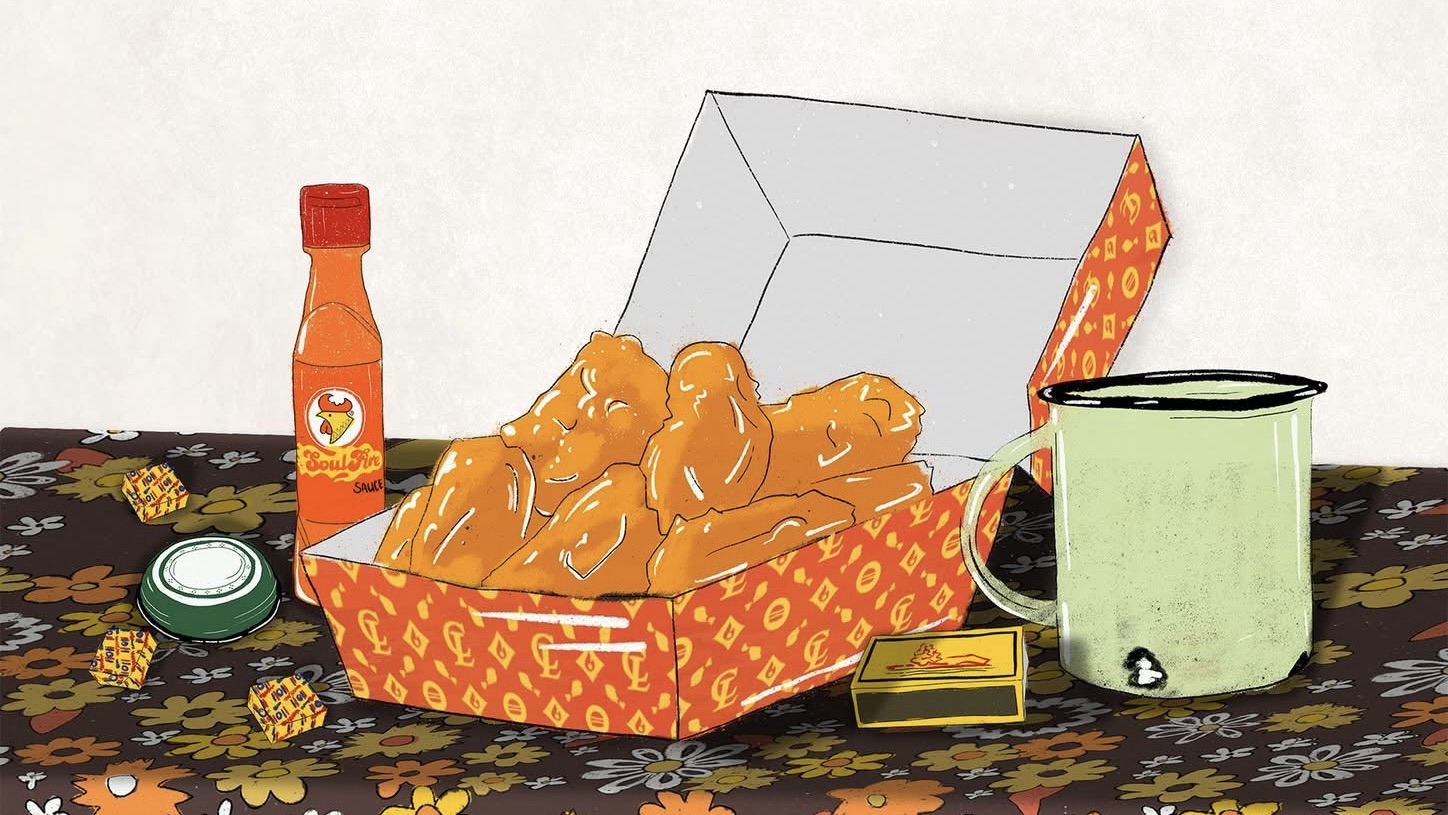
📸: Chicken Licken


Chicken Licken’s announcement of discontinuing rubber bands sparked viral reactions across social media. Consumers expressed emotional attachment, humour, and criticism, particularly around salt levels. With no explanation provided, speculation grew, including April Fools’ theories. The moment reveals how small brand details can trigger widespread cultural conversation and broader consumer feedback.


Chicken Licken Packaging Change Raises Questions: Sustainability or Prank?
31 March 2026
Chicken Licken posted a statement on their social media pages announcing that “after much consideration, we’ve made the decision to discontinue our rubber bands at all Chicken Licken branches with immediate effect.” The brand provided no explanation for their decision, prompting widespread speculation and conversation.
Everyday Utility Drives Emotional Attachment
Consumer reactions revealed that these rubber bands served a purpose beyond packaging. Many people pointed out their secondary uses, such as stress-relief bracelets, tying children’s socks, securing hair, and preventing takeaway spills. The removal of this small but practical item created an unexpectedly strong sense of loss.
Salt Becomes the Real Conversation
While the announcement focused on packaging, many consumers redirected the conversation toward product experience, specifically salt levels. Comments repeatedly suggested that reducing salt would have been a more meaningful change, positioning the rubber band decision as secondary to core product concerns.
Light-Hearted Culture, Not Backlash
Despite the criticism, the dominant tone remained humorous. Memes, jokes, and playful complaints shaped the discourse, reflecting how South African audiences engage brands they love, through banter rather than outrage.
Perceived Trade-Offs and Practical Concerns
Some users questioned whether the move signaled cost-cutting, especially given concerns about packaging becoming less secure without rubber bands. This introduced a layer of skepticism around value and decision-making priorities.
April Fools Speculation Adds Ambiguity
The timing of the post, one day before 1 April 2026, prompted speculation that the announcement could be an April Fools’ joke. Without follow-up communication, the uncertainty continues to shape how the message is interpreted.
When Small Changes Reveal Bigger Consumer Priorities
The reaction demonstrates how even minor brand touchpoints can carry cultural and practical significance. In the absence of clear communication, consumers filled the gap with humor, critique, and speculation, turning a simple update into a broader conversation about product experience and brand priorities.

On 1 April 2026, Chicken Licken confirmed that this was an April Fool’s Day joke saying adding the caption “holding your meals and your life together. Long live the rubber band. Happy April Fools” to their post.

While the news wasn’t real, the massive reaction from the public was. The prank proved that this tiny piece of stationery is actually a big part of South African culture.
The Truth Behind the Joke
Even though the update was a prank, the feedback was very real. The “roast” showed that while fans love their rubber band rituals, they have genuine concerns about high salt levels. Chicken Licken used humor to check the pulse of the nation, proving that while the packaging isn’t changing, the real hunger is for a healthier recipe inside the box.
Follow Chicken Licken for more updates.
Leave a Reply