

📸: Supplied


A new survey of 10,000 South Africans aged 13 to 25 suggests marketers may be misunderstanding how young consumers make decisions. Conducted by ReachPlayers inside gaming environments, the research highlights a generation focused on financial stability, family responsibilities and quality-driven purchasing, while exposing a growing gap between advertising investment and audience attention.
Key Highlights
- Organisation: ReachPlayers
- Research: Survey of 10,000 South Africans aged 13–25
- Release Date: 27 May 2026
- Location: South Africa

Youth Marketing Assumptions Face Reality Check in New South African Study
01 June 2026
A new study from ReachPlayers challenges several assumptions commonly associated with Gen Z and Gen Alpha consumers. Among the 10,000 respondents surveyed, making money emerged as the top priority (45.5%), followed by career success (37.6%) and supporting family (18.7%). Fame ranked among the least important aspirations.
The findings also suggest spending behaviour reflects these priorities. Saving money or helping family was identified as the largest spending category, outperforming fashion, food and entertainment. While gaming-related purchases ranked relatively high, spending on music, events and entertainment accounted for a smaller share of responses. The data paints a picture of a generation focused less on image-driven consumption and more on financial resilience and practical decision-making.
Trust Is Built Through People, Not Advertising
The research found that family remains the strongest influence on purchasing decisions, ahead of personal choice and friends. Influencers accounted for less than 10% of reported influence, while traditional advertising ranked even lower. Quality was identified as the leading factor in building trust, significantly ahead of online visibility or repeated brand exposure.
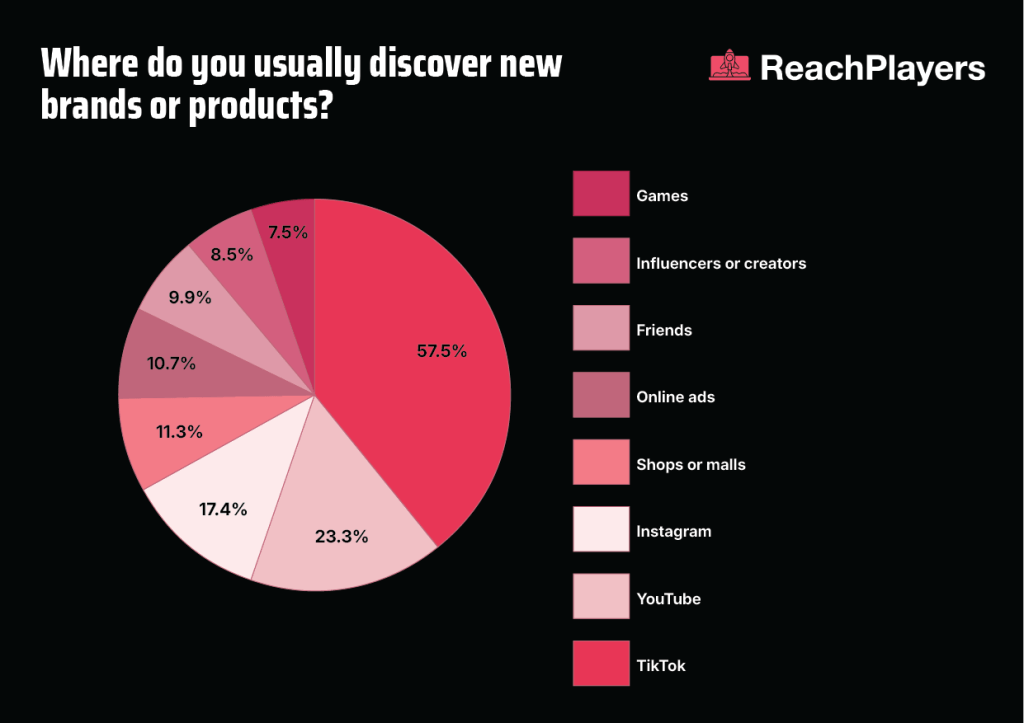
According to ReachPlayers CEO Michael Anav, the findings reveal a generation that is “ambitious” and “selective” in how it engages with brands. While social platforms remain a key discovery channel, the study suggests visibility alone is no longer enough to drive meaningful consumer relationships.
Gaming’s Growing Attention Advantage
The report also highlights gaming as an increasingly important attention environment. More than half of respondents reported being more focused while gaming than when using social media. ReachPlayers argues that while social platforms continue to dominate brand discovery, gaming environments offer longer engagement windows and more active participation from users.
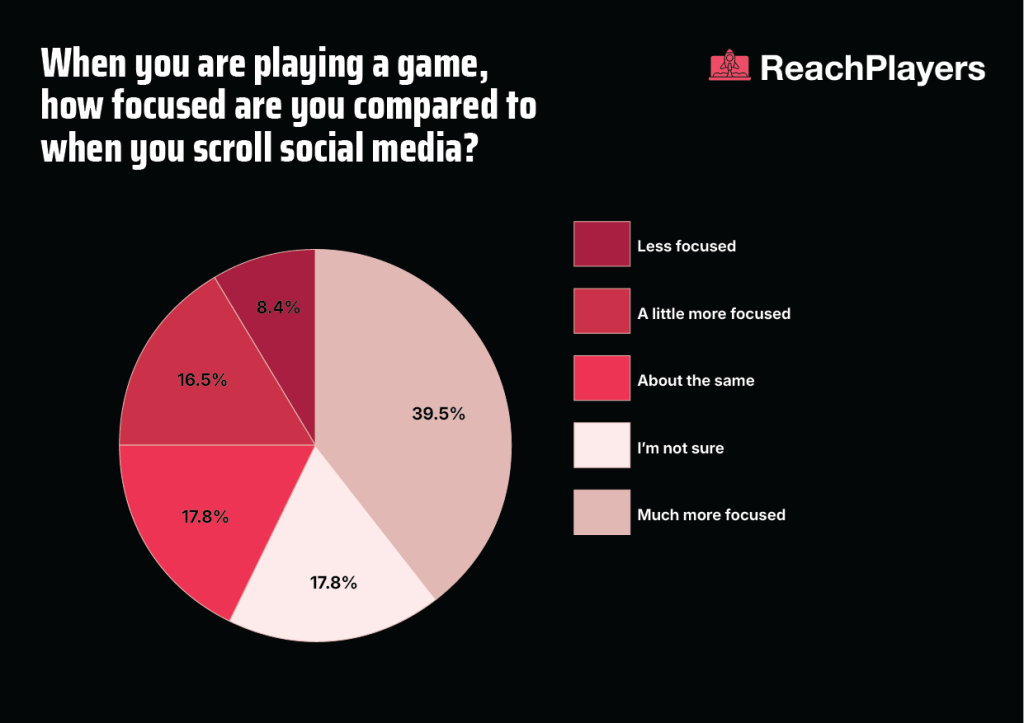
For marketers, the findings raise questions about media allocation strategies. As brands continue concentrating budgets on social platforms, gaming remains comparatively underutilised despite its growing role in youth culture and digital engagement. The research suggests the challenge is no longer simply reaching young audiences, but finding environments where attention can be sustained.
What This Means
The study points to a widening disconnect between how many brands communicate and what young consumers actually value. Marketers focused primarily on influencer partnerships and social reach may be overlooking stronger drivers of trust, including family recommendations, product quality and participatory digital experiences. Further independent research would help validate whether these findings reflect broader market trends beyond gaming audiences.
By The Numbers
- 10,000 South Africans surveyed
- 57.5% discover brands first on TikTok
- 45.5% prioritise making money
- 44.7% spend primarily on savings or supporting family
- 58.8% say quality is the biggest driver of trust
- 45% use ad blockers
- 56% report higher focus levels in gaming environments than on social media
- 9.5% cite influencers as a key purchasing influence
- 4.9% cite advertising as a key purchasing influence
The Bigger Picture
As Africa’s digital population continues to expand, the battle for attention is shifting beyond traditional social media channels. The findings reinforce broader industry conversations around attention quality versus reach, while highlighting gaming’s evolution from an entertainment category into a cultural and commercial platform. For brands targeting younger African consumers, understanding where trust is formed may become more important than simply maximising impressions.
Follow lamagafrica for more.

Share Your Thoughts
Do brands overestimate the influence of creators and social media advertising on young consumers, or are marketers simply measuring influence in the wrong way?




Leave a Reply